DAZNのハイライトでは試合後のインタビュー映像も最後にありました。それを見ての私の印象は,質問は理解して答えているけど、応答は主にフレーズ単位の表現と使用頻度の高い文(e.g., I think, we won)を並べて答える感じで、日本代表キャプテンの吉田麻也選手のような複雑さ(一文の長さや,従属節の使用など)はあまりない,というものです。ただ,これはまったく否定的な評価をしているわけではありません。むしろ,まず目指すのはこのレベルで機能できる学習者というのが英語教育の目標になって良いのでは,というものです。にもかかわらず,なんなら三笘薫選手どころか吉田麻也選手よりも高いレベルを多くの英語教師は求めていないだろうか,という気がしてしまうのです。ちなみに,吉田麻也選手の英語でのインタビュー例として,カタールW杯の決勝トーナメント1回戦でクロアチアに敗れたあとのインタビューを御覧ください。
🗣️ "I'm proud of my teammates. The people in the stadium, watching on TV and all around the world… I would like to thank you all."
😢 An emotional Maya Yoshida reflects on Japan's @FIFAWorldCup exit.
など,上の例は”everything (that) we can do…”とwhatを使った名詞節ではなく関係節のthatを用いるべきところだったとは思いますが,それでもこうした主節の中に従属節を埋め込むような発言がありますし,一文の長さも長く,流暢さもあります。ちなみに,”everything”と”what we can do”を並列しているという可能性もあり,それなら文法的には問題ありません。We did everything, (we did) what we can doということですね。what we can doのあとにwe could doと言っているのは,おそらく時制の一致をしないといけないとあとから気づいてcouldに言い直したのではないかと推察されます。
Interviewer: Congratulations on today’s result and your goal was that the best moment for you since you came to Brighton Mitoma: Yeah. I think the best moment so far because uh yeah uh great yeah at the end of the game, yeah great goal and we won because of the goal yeah so I’m very happy. Interviewer: Tell me about the goal from your perspective because there was a lot of skill involved. Mitoma: Yeah this free kick is we prepared so and uh the great ball from the Parvis and good gets the block of the Denis so yeah everyone played well so yeah uh the first touch is good and the kick motion so yeah unbelievable yeah Interviewer: What is the mood of the team? You must be feeling very very confident as a group now. You’ve beaten Liverpool twice in two weeks Mitoma: yeah yeah now we have the confidence to play against every opponent so yeah we had prepared well and we we played the tactical well so yeah we keep going and we have to stay humble. Interviewer: What do you hope Brighton can achieve between now and the end of the season? Mitoma: It’s not easy to speak because we have to the importance every match so and the next game we focus next game we focus yeah no not the aiming so yeah we we have to keep this tension and uh yeah keep going yeah
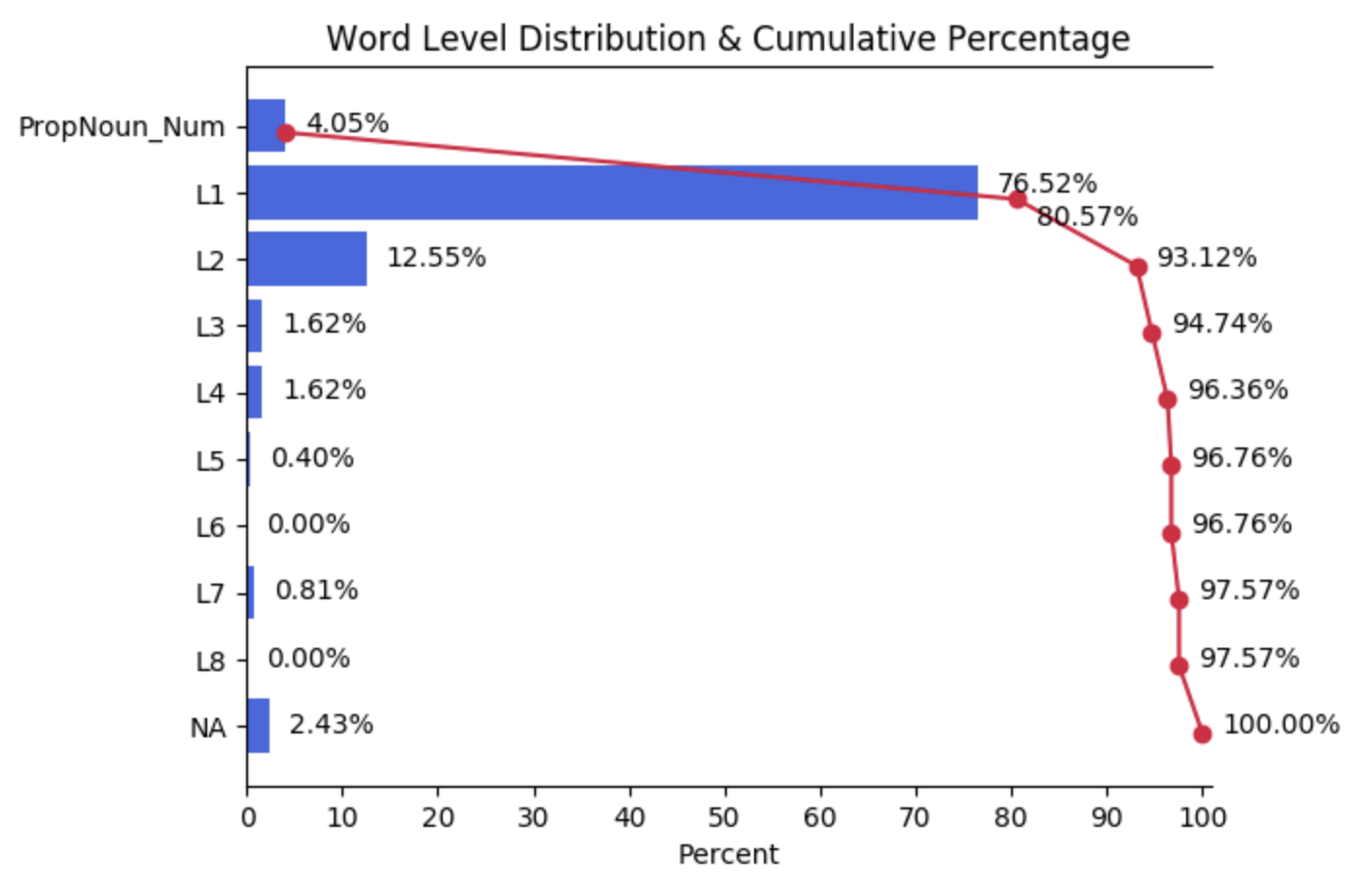
上の三笘選手の発話の中で私が一つ「おっ」となったのは,最後から2つ目の発言の最後にある,”we have to stay humble”です。humbleは「謙遜した」という意味の形容詞ですが,JACET8000ではLevel7の単語です(一応大辞林にも「ハンブル」というカタカナ語の見出し語はありますが,あまり日本語としてハンブルというのを見聞きする機会は私個人的には多くありません)。それ以外の単語はインタビュアーの方が使っているものも含めてほとんどが高頻度の単語です。おそらく,サッカー選手の発話や監督・コーチの発話にこの単語のインプットが多く含まれているのかなと推察します。だからこそ,こういう場面でもhumbleのような単語が出てくるのだろうなと。
Interviewer: Can you tell us how you felt about your first MLS game?
Takaoka: Yeah, I think this is a 1st step for me, but the result is not good. I, I’m disappointed. So, uh, about next game is coming. So I have to analyze and um, keep, keep head up and focus on the next game.
Interviewer: Was it what you expected? Was it? Um, because it was two very different halves. Were you kind of expecting that or were you expecting something different?
Takaoka: Yeah, first half we played well. Um, second half, a little bit change. Um, we have to be be patient. It’s too easy, uh, to, to consider goal in the row. We have to be patient and yeah, sometimes, uh, happen, but to, to go in a row it’s, we can, we can, we can, we can change.
Interviewer: Hi, um, you were very calm and cool and collected on the ball today. How important is that part of your game? Just being cool and really helping your team build out of the back the way it did.
Takaoka: Yeah, I’m trying to stay calm and uh, I want to make the, uh, environment, everyone, um, play comfortable. I want to make, I want to make them comfortable. And that’s why I’m, I’m stay calm and um, sometimes, uh, make angry but uh, depends on the situation. I, I’m always control myself
Interviewer: With your 1st 90 minutes, uh, under your belt. Now in the MLS, how do you compare it to the J league, hmm,
Takaoka: Well, yeah, the LMS is more, uh, hmm, more go to attack the goal and more open open games and uh, the Japanese J-league is more compact and the possession is a lot of games, um, played that kind of style and I think that is uh, the difference,
Interviewer: Hi Yohei Vanney has talked about you as being one of probably the best goalkeepers in MLS, with your feet, with you saying just how open MLS is, is that a strength that you think you’re going to really be able to use going forward?
Takaoka: Yeah, I think my, my feet is my strength, but uh, I’m not sure about everything about MLS. And I don’t know about other goalkeeper and uh, but I can play well with my feet and I can make the difference uh, to from, from other goalkeeper.
ターンの交代は明確な時(例えば疑問文を使えば次はその疑問文を使わなかった人のターンになるというような)もあれば,そうではないときもあります。また,1対1であれば複数人で会話しているときと比較すればターンを渡す,自分からターンを取る,というのも容易です。ただし,特に熟達度にばらつきがあるような場合には,話すのが苦手な側が簡単なレスポンスしかしなかったり,あるいは熟達度の高い側が,沈黙になるなら自分が話したほうがいいと考えたりしてどちらか一方が話し続ける時間が長くなってしまうこともよくあります。とはいえ,「共同的なやりとりを心がける」ことだけを目標として掲げてしまうと,”What do you think?”や”How about you?”だけを使って相手にぶっきらぼうなパスを出すだけになってしまうということもよくあります。そこで,ここでは「共同的なやりとりを心がける」という主原則の下により具体的な準原則を示してあげることも大事かもしれません。例えば,「質問をするなら相手が答えやすい質問の仕方をする」とか。実は,話すターンと聞くターンの原則を意識していると,自然とターン交代も起こるんですけどね。
前回書いたことをざっくり振り返ると,要するにサッカーというスポーツの競技力を向上させることと,言語能力を向上させることの間には共通点がたくさんあるんじゃないかということですね。そして,そのキーワードは「複雑系」です。これまでも,言語能力の発達を複雑系で捉えることだったり,あるいは特にTask-based Language Teachingの文脈で身体技能の発達を例にとって言語能力の発達を捉えるみたいなことは「話の種として」出されることはあったように思います。
長々となってしまうかもしれないので,先に結論言っておきますが,私は戦術的ピリオダイゼーションのような考え方でサッカーの練習を考えるのと非常に似た思想がTask-based Language Teachingであると思っています。また,タスクとはなにか,とかタスクの定義,と言われるようなものがなぜ大事であるのかというのは,タスクでなくてはいけないから,とかそういうことじゃなくて,その定義を満たすような活動(サッカーでいえば練習)を設計することによって,実際の言語使用場面(サッカーでいえば実際の試合)を意識したトレーニングをすることができるからです。よって,「これってタスクですか?」「それはタスクではありません」みたいなやりとりが不毛なのはその部分の共通理解が不足しているからだと思っています。つまり,実際に私達が言語を使用する時の状況に近づけるように言語活動を設定しようと思ったときに,その指針としてタスクの定義というものが有益であるということです。





 英語教育0.2