私自身は,もちろん環境もありますけど,なんらかの文法をターゲットにして活動しようというニーズがないので,文法項目別に並んでいる本のことはわからないです(教材集めが趣味でもないし,最近は特に英語指導に関する実践的な興味は昔より薄いです)。昔は高島先生の本とかありましたけどね(あそこに掲載されてるやつが全部面白いかは別ですが)。私が持っているいわゆるアクティビティ集(Activities for Task-Based Learning, Discussions and more, New ways in teaching speaking)を見てみても,文法項目別になっているものはありませんでした。『コミュニケーション・タスクのアイデアとマテリアル』がそうしているように,targetになりうる文法項目が書いてある,という例はありましたけど。『コミュニケーション・タスクのアイデアとマテリアル』は,書名やまえがき(本書の背景と構成,活用方法),第1部から明らかなように,「タスク」を提供しているわけで,文法指導のアクティビティ集ではありません。ただ,それぞれのタスクに「言語表現」というセクションがあり,このタスクをやるとこういう言語表現の表出が見込まれる,という記述はしてあります。その部分をp.258以降で逆引きできるようにもしています。ただし,その言語表現を使わないと絶対に課題が達成できないというものではありません。そういう課題をやることは,コミュニケーション活動を通して文法学習(指導)をすることにはならないのか,というところは意見が分かれるところかとは思いますが,私は,そういう課題を通してでも文法の学習・指導は可能だし,何ならコミュニケーション活動と文法指導を完全に分離してモジュール型のカリキュラムにしたっていいとすら思っています。
DAZNのハイライトでは試合後のインタビュー映像も最後にありました。それを見ての私の印象は,質問は理解して答えているけど、応答は主にフレーズ単位の表現と使用頻度の高い文(e.g., I think, we won)を並べて答える感じで、日本代表キャプテンの吉田麻也選手のような複雑さ(一文の長さや,従属節の使用など)はあまりない,というものです。ただ,これはまったく否定的な評価をしているわけではありません。むしろ,まず目指すのはこのレベルで機能できる学習者というのが英語教育の目標になって良いのでは,というものです。にもかかわらず,なんなら三笘薫選手どころか吉田麻也選手よりも高いレベルを多くの英語教師は求めていないだろうか,という気がしてしまうのです。ちなみに,吉田麻也選手の英語でのインタビュー例として,カタールW杯の決勝トーナメント1回戦でクロアチアに敗れたあとのインタビューを御覧ください。
🗣️ "I'm proud of my teammates. The people in the stadium, watching on TV and all around the world… I would like to thank you all."
😢 An emotional Maya Yoshida reflects on Japan's @FIFAWorldCup exit.
など,上の例は”everything (that) we can do…”とwhatを使った名詞節ではなく関係節のthatを用いるべきところだったとは思いますが,それでもこうした主節の中に従属節を埋め込むような発言がありますし,一文の長さも長く,流暢さもあります。ちなみに,”everything”と”what we can do”を並列しているという可能性もあり,それなら文法的には問題ありません。We did everything, (we did) what we can doということですね。what we can doのあとにwe could doと言っているのは,おそらく時制の一致をしないといけないとあとから気づいてcouldに言い直したのではないかと推察されます。
Interviewer: Congratulations on today’s result and your goal was that the best moment for you since you came to Brighton Mitoma: Yeah. I think the best moment so far because uh yeah uh great yeah at the end of the game, yeah great goal and we won because of the goal yeah so I’m very happy. Interviewer: Tell me about the goal from your perspective because there was a lot of skill involved. Mitoma: Yeah this free kick is we prepared so and uh the great ball from the Parvis and good gets the block of the Denis so yeah everyone played well so yeah uh the first touch is good and the kick motion so yeah unbelievable yeah Interviewer: What is the mood of the team? You must be feeling very very confident as a group now. You’ve beaten Liverpool twice in two weeks Mitoma: yeah yeah now we have the confidence to play against every opponent so yeah we had prepared well and we we played the tactical well so yeah we keep going and we have to stay humble. Interviewer: What do you hope Brighton can achieve between now and the end of the season? Mitoma: It’s not easy to speak because we have to the importance every match so and the next game we focus next game we focus yeah no not the aiming so yeah we we have to keep this tension and uh yeah keep going yeah
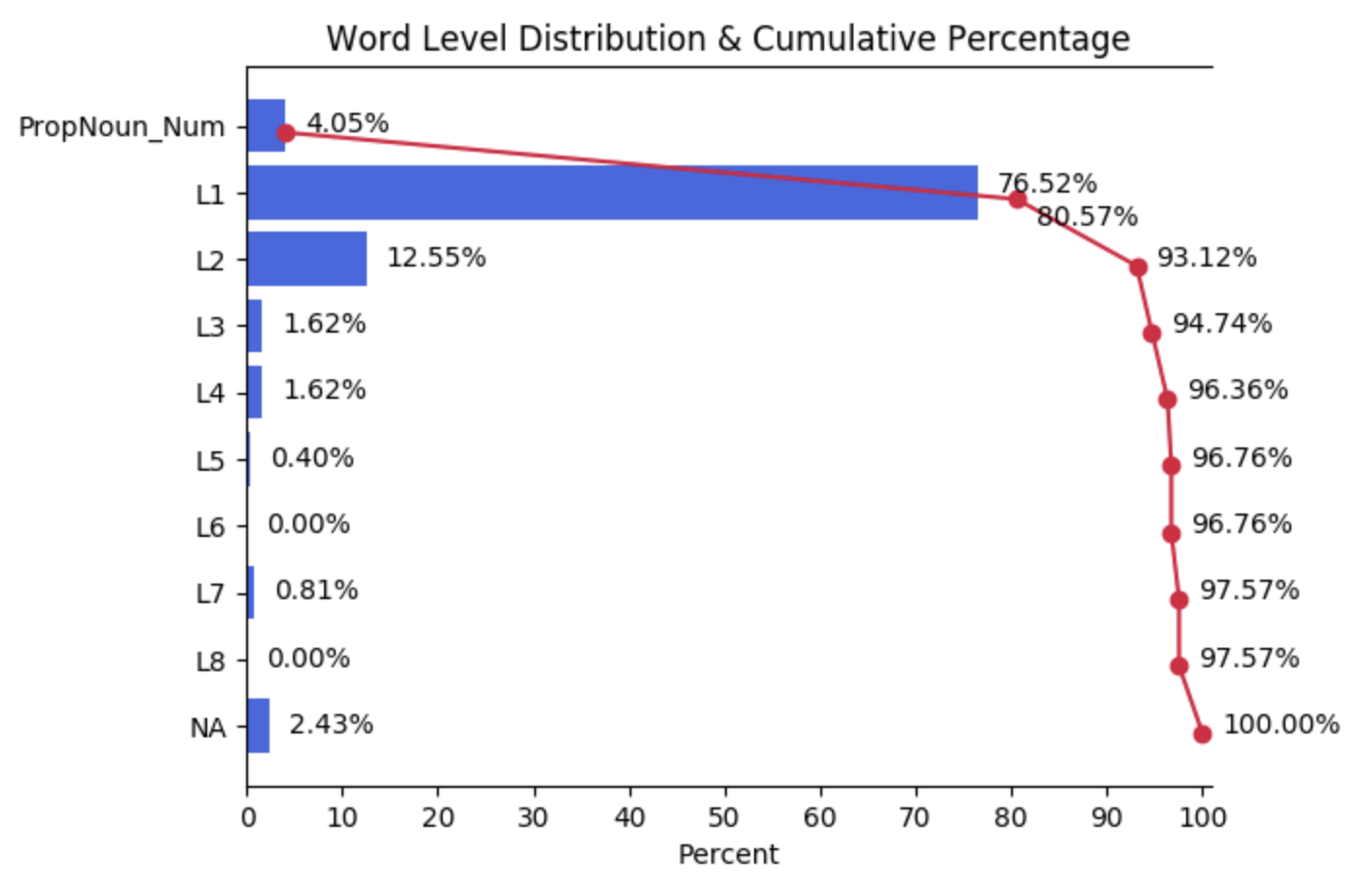
上の三笘選手の発話の中で私が一つ「おっ」となったのは,最後から2つ目の発言の最後にある,”we have to stay humble”です。humbleは「謙遜した」という意味の形容詞ですが,JACET8000ではLevel7の単語です(一応大辞林にも「ハンブル」というカタカナ語の見出し語はありますが,あまり日本語としてハンブルというのを見聞きする機会は私個人的には多くありません)。それ以外の単語はインタビュアーの方が使っているものも含めてほとんどが高頻度の単語です。おそらく,サッカー選手の発話や監督・コーチの発話にこの単語のインプットが多く含まれているのかなと推察します。だからこそ,こういう場面でもhumbleのような単語が出てくるのだろうなと。
Interviewer: Can you tell us how you felt about your first MLS game?
Takaoka: Yeah, I think this is a 1st step for me, but the result is not good. I, I’m disappointed. So, uh, about next game is coming. So I have to analyze and um, keep, keep head up and focus on the next game.
Interviewer: Was it what you expected? Was it? Um, because it was two very different halves. Were you kind of expecting that or were you expecting something different?
Takaoka: Yeah, first half we played well. Um, second half, a little bit change. Um, we have to be be patient. It’s too easy, uh, to, to consider goal in the row. We have to be patient and yeah, sometimes, uh, happen, but to, to go in a row it’s, we can, we can, we can, we can change.
Interviewer: Hi, um, you were very calm and cool and collected on the ball today. How important is that part of your game? Just being cool and really helping your team build out of the back the way it did.
Takaoka: Yeah, I’m trying to stay calm and uh, I want to make the, uh, environment, everyone, um, play comfortable. I want to make, I want to make them comfortable. And that’s why I’m, I’m stay calm and um, sometimes, uh, make angry but uh, depends on the situation. I, I’m always control myself
Interviewer: With your 1st 90 minutes, uh, under your belt. Now in the MLS, how do you compare it to the J league, hmm,
Takaoka: Well, yeah, the LMS is more, uh, hmm, more go to attack the goal and more open open games and uh, the Japanese J-league is more compact and the possession is a lot of games, um, played that kind of style and I think that is uh, the difference,
Interviewer: Hi Yohei Vanney has talked about you as being one of probably the best goalkeepers in MLS, with your feet, with you saying just how open MLS is, is that a strength that you think you’re going to really be able to use going forward?
Takaoka: Yeah, I think my, my feet is my strength, but uh, I’m not sure about everything about MLS. And I don’t know about other goalkeeper and uh, but I can play well with my feet and I can make the difference uh, to from, from other goalkeeper.
ここまで,英語を使う必然性というのはあまり有用ではないというスタンスで述べてきましたが,私が批判的に考察したのは必然性に縛られすぎることで,その英語を使う必然性というのを活かすことはありえると思います。その一つがALTの活用です(人という存在に対して活用というのはあまり良くないかもしれないですが他に表現が思い浮かびませんでした)。ALTは多くの学習者たちにとっておそらく唯一コミュニケーションの際に英語を使う必然性の生まれる存在だと思います。その特性を生かして,ALT相手に何かをプレゼンさせたり質問させたりするような仕組みを作っている方も多くいらっしゃると思います。仮にALTは日本語であったり,あるいは日本語話者が犯しがちな誤りが発話に含まれていても理解できたとしても,”What do you mean?” “What does X mean?”などと聞き返してもらうようにすることも不自然ではありませんから,そこにnegotiation for meaningも生まれるでしょう。下記のanf先生の記事で紹介されているのはそうした活動かと思います。
このたび,私が編著者として関わる英語の教科書が三修社さんから出ることになりました。その宣伝記事です。以前,三修社さんから『コミュニケーション・タスクのアイデアとマテリアル:教室と世界をつなぐ英語授業のために』というタスク教材集が出ました。この本では,いわゆるメインタスクの部分が中心として紹介されています。そのメリットとしては,「料理」の仕方でどのようにも使えるということがあります。目の前の学習者に合わせて様々な調整を加えて使ってほしいというのが著者陣の願いです。とはいっても,やっぱり準備にも時間がかかるし,どうやって1コマ分の授業を構成するのかというのは悩むところでもあると思います。そこで,その素材を「料理」して「一食分の食事」という形でパッケージングした教科書を作りました。それが,Getting Things Done (GTD)です。この本で言われているタスク(Tasks)というのは,タスク・ベースの言語指導(Task-based Language Teaching)の文脈でのタスクですので,コミュニケーション活動のようなものとほぼ同義で使われるゆるい「タスク」とは違うというのは強調しておきたいです。




 英語教育0.2