
はじめに
しばらく前に書いてずっと下書きになっていた記事をようやく公開します。
SNSなどの発達でスポーツ選手が外国語でインタビューを受ける場面をよく見るようになった気がします。昔もYouTubeにあったような気がしますが,今はTwitterやInstagramにもっとたくさん溢れている気がして。私は特にサッカーが好きなので,サッカー選手のインタビュー映像をよく見ます。つい昨日のこと,世界最高峰のサッカーリーグと呼ばれているイングランド・プレミアリーグのFAカップ4回戦で,日本代表の三笘薫選手が劇的な決勝ゴールをあげて強豪リバプールを破ったことが私のTLでは話題になりました。そんな三笘選手の英語でのインタビューについて思ったことを。
彼の英語力をどう見るか
DAZNのハイライトでは試合後のインタビュー映像も最後にありました。それを見ての私の印象は,質問は理解して答えているけど、応答は主にフレーズ単位の表現と使用頻度の高い文(e.g., I think, we won)を並べて答える感じで、日本代表キャプテンの吉田麻也選手のような複雑さ(一文の長さや,従属節の使用など)はあまりない,というものです。ただ,これはまったく否定的な評価をしているわけではありません。むしろ,まず目指すのはこのレベルで機能できる学習者というのが英語教育の目標になって良いのでは,というものです。にもかかわらず,なんなら三笘薫選手どころか吉田麻也選手よりも高いレベルを多くの英語教師は求めていないだろうか,という気がしてしまうのです。ちなみに,吉田麻也選手の英語でのインタビュー例として,カタールW杯の決勝トーナメント1回戦でクロアチアに敗れたあとのインタビューを御覧ください。
We did everything what we can do, we could do.
We are very proud of what we have done.
など,上の例は”everything (that) we can do…”とwhatを使った名詞節ではなく関係節のthatを用いるべきところだったとは思いますが,それでもこうした主節の中に従属節を埋め込むような発言がありますし,一文の長さも長く,流暢さもあります。ちなみに,”everything”と”what we can do”を並列しているという可能性もあり,それなら文法的には問題ありません。We did everything, (we did) what we can doということですね。what we can doのあとにwe could doと言っているのは,おそらく時制の一致をしないといけないとあとから気づいてcouldに言い直したのではないかと推察されます。
では,三笘選手のインタビューです。
吉田麻也選手と比較すると,沈黙やつなぎ言葉(ときにtheに聞こえるようなものも)が多く,フレーズをつなぎ合わせるように発話している印象が強いと思います。
Interviewer: Congratulations on today’s result and your goal was that the best moment for you since you came to Brighton
YouTubeの書き起こしをもとに一部筆者が修正しています
Mitoma: Yeah. I think the best moment so far because uh yeah uh great yeah at the end of the game, yeah great goal and we won because of the goal yeah so I’m very happy.
Interviewer: Tell me about the goal from your perspective because there was a lot of skill involved.
Mitoma: Yeah this free kick is we prepared so and uh the great ball from the Parvis and good gets the block of the Denis so yeah everyone played well so yeah uh the first touch is good and the kick motion so yeah unbelievable yeah
Interviewer: What is the mood of the team? You must be feeling very very confident as a group now. You’ve beaten Liverpool twice in two weeks
Mitoma: yeah yeah now we have the confidence to play against every opponent so yeah we had prepared well and we we played the tactical well so yeah we keep going and we have to stay humble.
Interviewer: What do you hope Brighton can achieve between now and the end of the season?
Mitoma: It’s not easy to speak because we have to the importance every match so and the next game we focus next game we focus yeah no not the aiming so yeah we we have to keep this tension and uh yeah keep going yeah
三笘選手の発話を,「カトコト」とか,「ブロークン」のような形容詞で,不完全なものだと判断するでしょうか。むしろ,インタビューという場面では、あれでインタビュワーと視聴者(ファン・サポーターを含めて)に彼の伝えたいことは伝わっていたのではないかと思います。このレベルで通訳なしでインタビューのやり取りができるようになって初めて,その先の言語のクオリティを上げることに焦点を当ててはどうでしょうか。と私は思ってしまいます。別にサッカー選手に限らず,です。
上の三笘選手の発話の中で私が一つ「おっ」となったのは,最後から2つ目の発言の最後にある,”we have to stay humble”です。humbleは「謙遜した」という意味の形容詞ですが,JACET8000ではLevel7の単語です(一応大辞林にも「ハンブル」というカタカナ語の見出し語はありますが,あまり日本語としてハンブルというのを見聞きする機会は私個人的には多くありません)。それ以外の単語はインタビュアーの方が使っているものも含めてほとんどが高頻度の単語です。おそらく,サッカー選手の発話や監督・コーチの発話にこの単語のインプットが多く含まれているのかなと推察します。だからこそ,こういう場面でもhumbleのような単語が出てくるのだろうなと。
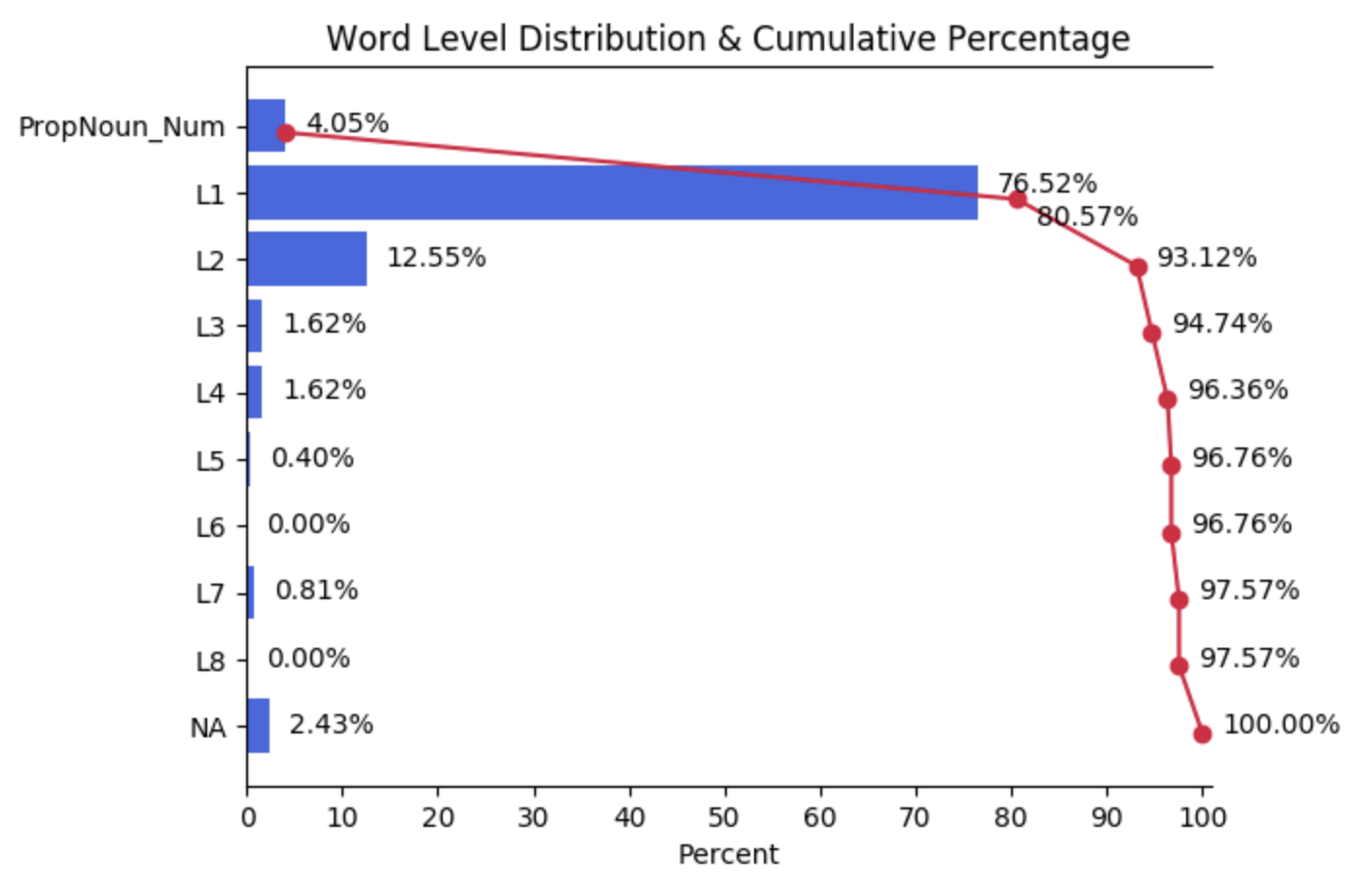

ちなみに,gorotaku先生も指摘なさっているように,これはインタビュアーも結構ゆっくりはっきり話してくれていますね。
おまけ
最後に,横浜F・マリノスからMLSのバンクーバー・ホワイトキャップスに移籍した高岳選手インタビューもたまたま見つけたのでどうぞ。
Interviewer: Can you tell us how you felt about your first MLS game?
Takaoka: Yeah, I think this is a 1st step for me, but the result is not good. I, I’m disappointed. So, uh, about next game is coming. So I have to analyze and um, keep, keep head up and focus on the next game.
Interviewer: Was it what you expected? Was it? Um, because it was two very different halves. Were you kind of expecting that or were you expecting something different?
Takaoka: Yeah, first half we played well. Um, second half, a little bit change. Um, we have to be be patient. It’s too easy, uh, to, to consider goal in the row. We have to be patient and yeah, sometimes, uh, happen, but to, to go in a row it’s, we can, we can, we can, we can change.
Interviewer: Hi, um, you were very calm and cool and collected on the ball today. How important is that part of your game? Just being cool and really helping your team build out of the back the way it did.
Takaoka: Yeah, I’m trying to stay calm and uh, I want to make the, uh, environment, everyone, um, play comfortable. I want to make, I want to make them comfortable. And that’s why I’m, I’m stay calm and um, sometimes, uh, make angry but uh, depends on the situation. I, I’m always control myself
Interviewer: With your 1st 90 minutes, uh, under your belt. Now in the MLS, how do you compare it to the J league, hmm,
Takaoka: Well, yeah, the LMS is more, uh, hmm, more go to attack the goal and more open open games and uh, the Japanese J-league is more compact and the possession is a lot of games, um, played that kind of style and I think that is uh, the difference,
Interviewer: Hi Yohei Vanney has talked about you as being one of probably the best goalkeepers in MLS, with your feet, with you saying just how open MLS is, is that a strength that you think you’re going to really be able to use going forward?
Takaoka: Yeah, I think my, my feet is my strength, but uh, I’m not sure about everything about MLS. And I don’t know about other goalkeeper and uh, but I can play well with my feet and I can make the difference uh, to from, from other goalkeeper.
三笘選手よりは流暢性が高くて,チャンクの引き出しも多いのかなという印象でした。ただ,一般的には,「通訳なしで英語のインタビューの受け答えをしていてすばらしい!」と思う人が多いのではないでしょうか。一方で,これが学校で行われるインタビュー・テストでのパフォーマンスだとしたら,英語教師の皆さんはどういう評価をされるでしょうか?もちろん,どんなルーブリックで評価するのかというところによるとは思いますが,これを「英語ができる方」と判断する人がどれくらいいるのかなと。ここにギャップがあるような気がしてしまうのです。
おわりに
こうやってサッカー選手のインタビューを見ていると,サッカー選手がどうやって語学をやっているのかも気になったりしますね。もしインストラクターのような人がついているのだとしたら,どういうカリキュラムでやっているのかなとか。例えばJクラブなんかが海外移籍を視野に入れている選手向けの語学教室とかやったりしていないのかなとか。サッカー選手がある言語を必要とする場面は結構ニーズ分析すると明確にタスクを抽出できそうですよね。インタビューの受け答えはおそらく頂上タスクの1つになるでしょう。あとは監督やコーチの言っていることを理解する,チームメイトとコミュニケーションを取るとかですかね。私はサッカー場面での英語使用には全然詳しくないので,どういう語彙や表現で選手同士,選手と監督・コーチがコミュニケーション取るのかはわかりませんが,そういうのさえわかればタスク・ベースのサッカー選手向けカリュキュラム構築とかできそう。そういうのコーディネートする仕事とかもしあったらめっちゃやりたい笑
なにをゆう たむらゆう。
おしまい。
 英語教育0.2